The Samson G-Track Pro combines a USB condenser microphone with an audio interface, giving home recordists a way to capture voice or instrument without assembling a larger recording setup.
This SAMSON SGTRACKPB review looks at its three pickup patterns, recording format options, and the practical tradeoffs of choosing an all-in-one desk mic.
G-Track Pro Review Summary
The quick verdict
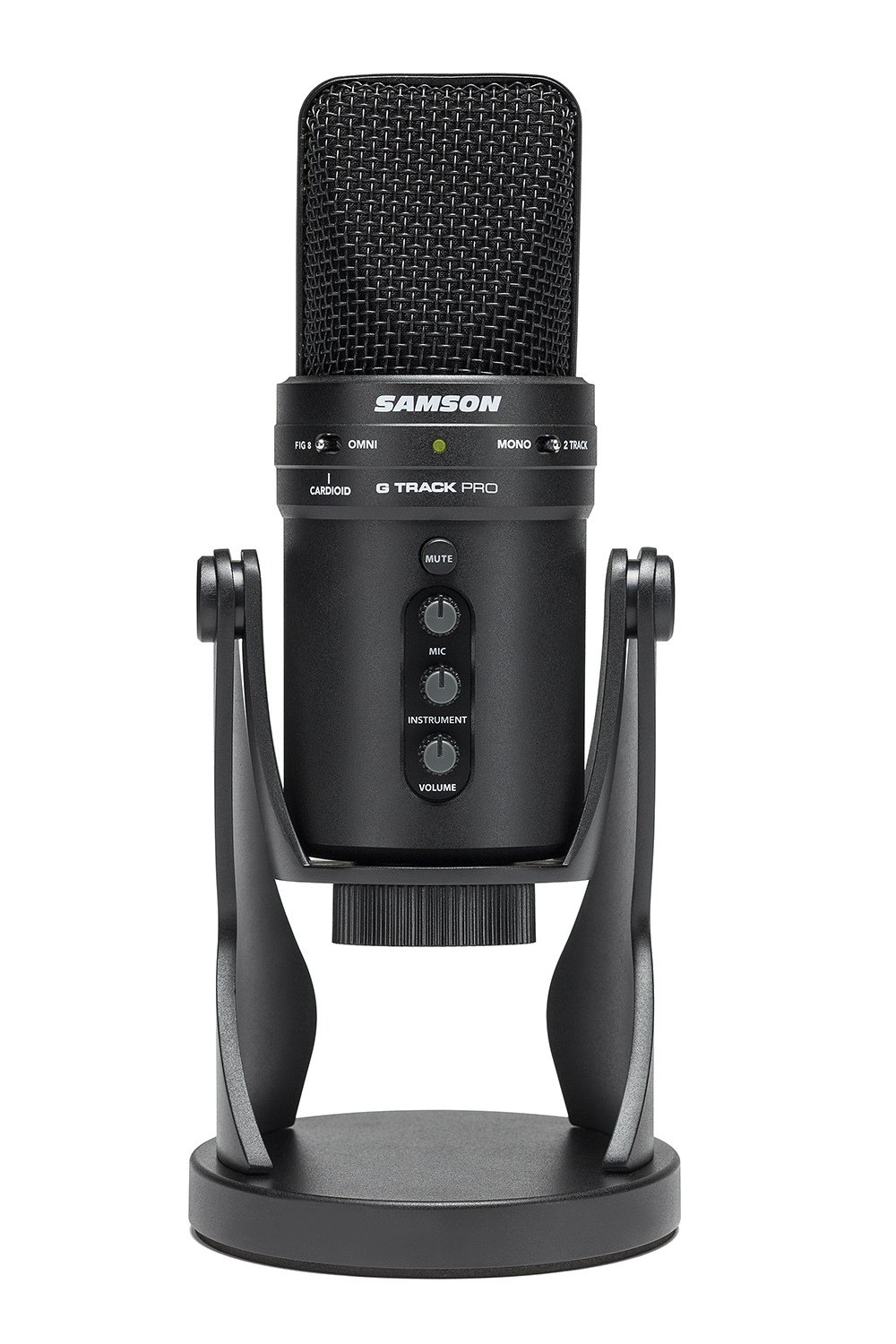
2,000+ ratings
Read Amazon ReviewsSamson G-Track Pro
A strong fit for podcasters, streamers, and home recordists who want multiple pickup patterns and an instrument input in one USB microphone.
- Dual back-electret condenser element with a 25 mm diaphragm.
- Cardioid, bidirectional, and omnidirectional pickup patterns.
- Frequency response listed as 50 Hz–20 kHz, with sensitivity of +6 dB FS/PA across all patterns.
- Maximum sound pressure level of 120 dB SPL.

Pros
- Three pickup patterns let the recording approach change with the number and placement of speakers.
- The built-in instrument input gives it a role in simple voice-and-instrument recording.
Consider before buying
- Its versatility may be unnecessary for buyers who only need a basic solo-voice microphone.
- The listed connections are USB, a 3.5 mm headphone output, and a quarter-inch instrument input; check that they fit the rest of your recording chain.
Read the full review summary
The G-Track Pro’s most useful distinction is flexibility: its cardioid, bidirectional, and omnidirectional patterns suit different recording arrangements, while a built-in instrument input makes it relevant to more than voice work.
USB output and headphone monitoring keep the setup centered on the microphone, and recording can reach 24-bit resolution and sample rates up to 96 kHz.
That combination makes it a considered choice for podcasters, streamers, and musicians who want to record voice and a direct instrument signal with one device.
Buyers who need a straightforward mic for solo calls may not use much of its range; those building a more involved setup should check whether its USB-centered connections match their preferred equipment and workflow.
The buying factors
G-Track Pro Scorecard
Editorial scores reflect listed features and buyer fit; they are not laboratory measurements or customer ratings.
Recording flexibility
Three selectable pickup patterns accommodate solo voice, two-person conversations, and broader group capture.
Voice and instrument use
The microphone combines condenser capture with a dedicated quarter-inch instrument input.
Recording formats
It supports 16- or 24-bit recording and sample rates up to 96 kHz.
Monitoring provision
A 3.5 mm headphone output and listed headphone power provide a direct monitoring option.
Setup simplicity
USB digital output and a built-in interface can reduce the number of separate recording components needed.
Connection flexibility
Its listed connections are USB, headphone output, and instrument input, so buyers should confirm these suit their existing setup.
Key Features and Specifications of G-Track Pro
- Dual back-electret condenser element with a 25 mm diaphragm.
- Cardioid, bidirectional, and omnidirectional pickup patterns.
- Frequency response listed as 50 Hz–20 kHz, with sensitivity of +6 dB FS/PA across all patterns.
- Maximum sound pressure level of 120 dB SPL.
- USB digital output with 16- or 24-bit depth and sample rates up to 96 kHz.
- Built-in quarter-inch instrument input with 1 MΩ impedance, plus a 3.5 mm headphone output.
Pros and Cons of G-Track Pro
Pros
- Three pickup patterns let the recording approach change with the number and placement of speakers.
- The built-in instrument input gives it a role in simple voice-and-instrument recording.
- Recording supports up to 24-bit depth and 96 kHz sample rate.
- USB output, headphone connection, and instrument input bring several recording functions together.
Consider before buying
- Its versatility may be unnecessary for buyers who only need a basic solo-voice microphone.
- The listed connections are USB, a 3.5 mm headphone output, and a quarter-inch instrument input; check that they fit the rest of your recording chain.
- The supplied specifications do not identify included mounting hardware or cable details, so confirm the package contents if those affect your setup.
Who Should Buy G-Track Pro?
Good fit
Consider the G-Track Pro if you record more than one kind of session at a desk and want to switch between a focused solo voice, two-person conversation, and room-oriented capture.
The three polar patterns provide useful control over which directions the microphone is intended to capture, while the condenser design and 25 mm diaphragm make it a substantial option for spoken-word and music use.
It is also worth considering for a modest home recording setup that needs both microphone capture and a direct instrument connection.
The built-in interface and USB output can keep the signal path compact, and the headphone output provides a place to monitor.
Before choosing it, make sure your computer and other recording gear work with the connections you plan to use.
Who should skip it
Skip it if your only need is a simple solo-call microphone and you have no use for alternate pickup patterns, instrument input, or higher-resolution recording options. A more basic model may be a better match for that routine.
Look elsewhere if your recording workflow depends on particular connections or accessories that are not confirmed here. Check the complete package and compatibility details before committing to the G-Track Pro.
Samson G-Track Pro: what its recording options mean
Three patterns for different setups
Cardioid, bidirectional, and omnidirectional modes make the G-Track Pro more adaptable than a microphone limited to one pickup direction.
Cardioid is the natural choice to consider for a single speaker; bidirectional can suit two people facing one another, while omnidirectional can be useful when several voices or the surrounding space need to be included.
Placement and the room still shape what reaches the recording, so selecting a pattern is part of setting up the session.
A microphone with an instrument path
The quarter-inch input, rated at 1 MΩ, extends the product’s role beyond capturing sound in front of the microphone. A musician can consider it for a compact desk arrangement that combines vocal recording and an instrument signal.
The supplied specifications do not describe routing controls or simultaneous recording behavior, so buyers with a specific multi-source workflow should confirm how the inputs work in their intended setup.
USB recording and monitoring
The G-Track Pro outputs digitally over USB and supports 16- or 24-bit recording at sample rates up to 96 kHz.
That gives users a choice of recording formats, though actual session settings also depend on the host and recording software.
The 3.5 mm headphone output offers a direct monitoring connection; its listed 85 mW output at 32 Ω helps characterize the headphone stage, but headphone compatibility should be checked against the headphones in use.
Headroom and placement considerations
A maximum SPL of 120 dB indicates a stated upper input level, while the 50 Hz–20 kHz frequency response describes the range covered by the specifications.
These figures help frame the microphone’s intended recording scope, but they do not guarantee a particular sound in every room or placement.
For spoken word, keep the microphone positioned consistently and choose a pickup pattern suited to the people and environment being recorded.
Alternatives to G-Track Pro
Multipurpose Condenser Microphones alternative
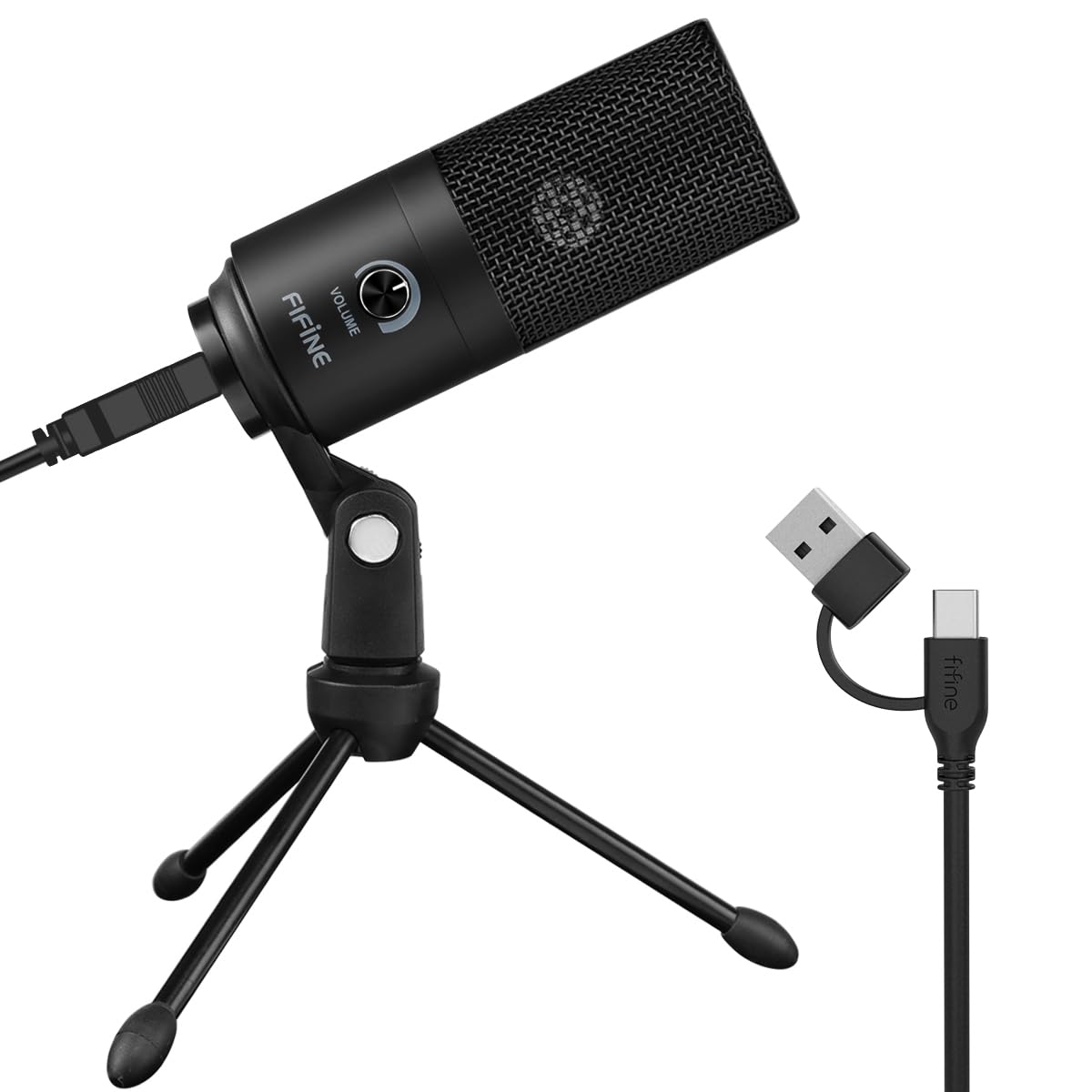
34,000+ ratings
Read Amazon ReviewsFIFINE K669B USB Microphone
Choose the G-Track Pro if multiple pickup patterns and an instrument input matter to your sessions.
Consider the K669B if you want a simpler cardioid USB desk microphone with a supplied tripod and cable for computer or supported console use.
- The K669B is a cardioid USB condenser microphone with a volume knob, a 5.9-foot cable, and a tripod stand; its description lists computer and PS4/PS5 use and excludes Xbox and phones.
- The G-Track Pro offers three pickup patterns, an instrument input, headphone output, and recording support up to 24-bit/96 kHz.
Multipurpose Condenser Microphones alternative
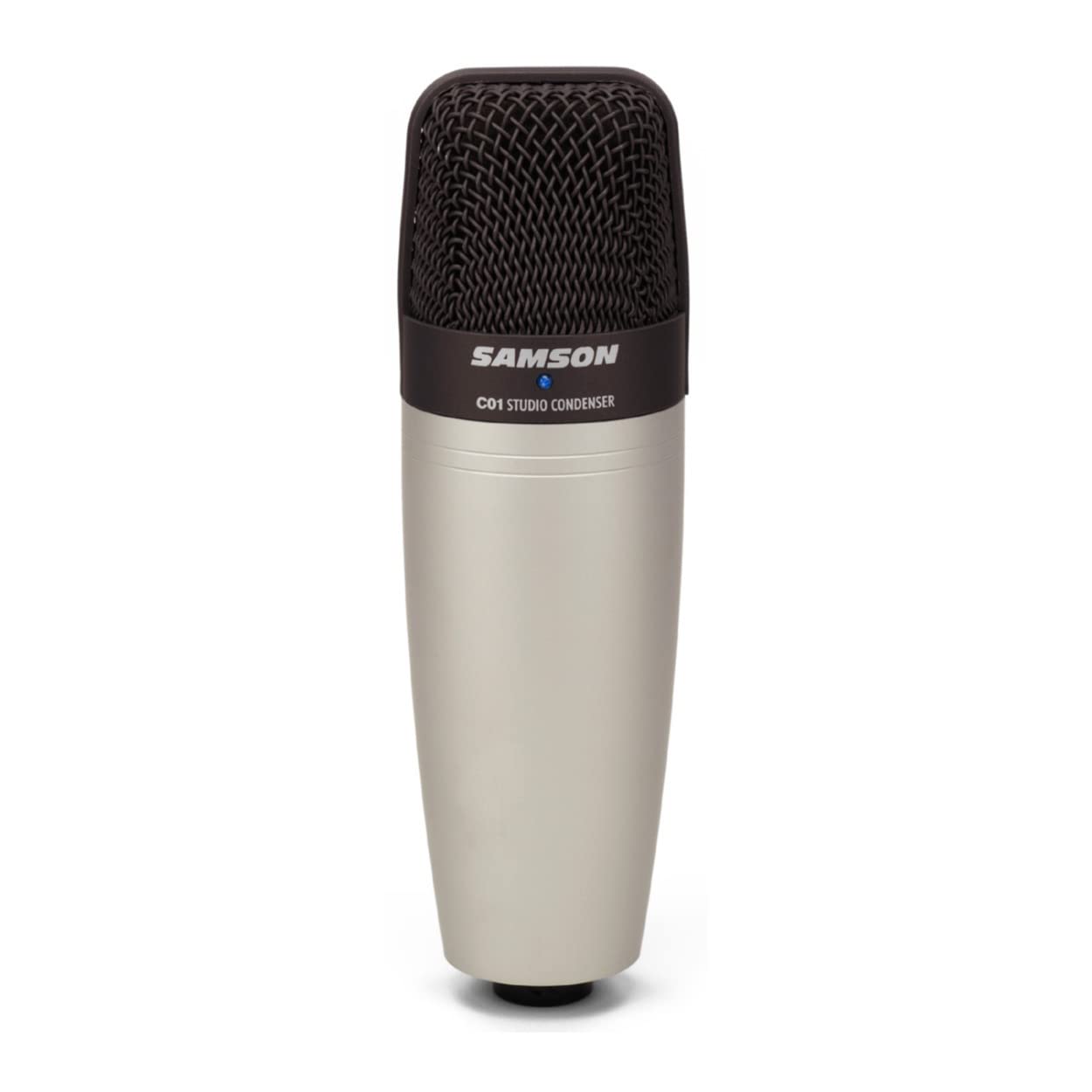
1,000+ ratings
Read Amazon ReviewsSamson C01 Large-Diaphragm Condenser Microphone
The G-Track Pro is the more self-contained option for buyers seeking USB recording and several pickup patterns.
The C01 may suit a buyer whose setup is built around XLR connection and 48 V phantom power, provided the rest of that recording chain is in place.
- The C01 has a 19 mm diaphragm, cardioid pickup pattern, gold-plated XLR connector, heavy-gauge mesh grill, and an LED that indicates 48 V phantom power.
- The G-Track Pro is a USB microphone with an audio interface, three pickup patterns, headphone output, and an instrument input.
Is G-Track Pro Worth It?
The Samson G-Track Pro is worth considering for home recordists who will use its combination of three pickup patterns, USB recording, headphone output, and instrument input.
It covers a wider range of recording situations than a basic solo-voice mic while keeping several functions in one device.
Its value depends on whether those extra options fit your routine.
If you only need a straightforward microphone for calls, the added flexibility may go unused; if you plan to record voice and instruments or change recording arrangements, confirm the connections and workflow suit your setup before buying.
Your review at a glance
2,000+ ratings
Read Amazon ReviewsSamson G-Track Pro
A strong fit for podcasters, streamers, and home recordists who want multiple pickup patterns and an instrument input in one USB microphone.
- Dual back-electret condenser element with a 25 mm diaphragm.
- Cardioid, bidirectional, and omnidirectional pickup patterns.
- Frequency response listed as 50 Hz–20 kHz, with sensitivity of +6 dB FS/PA across all patterns.
- Maximum sound pressure level of 120 dB SPL.